


What is the history of transmission towers?
Aug 29, 2025
Leave a message
The history of transmission towers is a fascinating journey that spans over a century, marked by technological advancements, engineering feats, and the ever - growing demand for electricity. As a supplier of Transmission Towers, I've had the privilege of being part of an industry deeply rooted in this rich history.
Early Beginnings: The Birth of Electrical Transmission
The story of transmission towers begins in the late 19th century, a time when the world was on the cusp of an electrical revolution. Thomas Edison's invention of the practical incandescent light bulb in 1879 sparked a global interest in electricity. However, the early electrical systems were mainly direct - current (DC) based and had limited transmission capabilities. DC power could only be transmitted over short distances, typically within a few miles, due to high energy losses in the form of heat.
In 1886, George Westinghouse, an American entrepreneur, and engineer, began promoting alternating - current (AC) power systems. AC had a significant advantage over DC as it could be easily transformed to high voltages for long - distance transmission and then stepped down to lower voltages for safe use in homes and industries. This breakthrough led to the need for a more efficient way to carry high - voltage electrical lines across large distances.
The first transmission towers were simple wooden structures. These early towers were used to support the overhead power lines, which were often strung between poles made of wood. They were relatively inexpensive and easy to construct, but they had limitations. Wood was prone to rot, insect damage, and had a limited lifespan. Additionally, as the demand for electricity grew and the voltage of transmission lines increased, wooden towers became inadequate to handle the higher stresses and electrical requirements.
The Rise of Steel Transmission Towers
The early 20th century saw a shift from wooden to steel transmission towers. Steel offered several advantages over wood. It was stronger, more durable, and could withstand harsh weather conditions such as high winds, ice storms, and lightning. Steel towers could also support higher - voltage lines and larger - capacity conductors.
One of the early milestones in the development of steel transmission towers was the construction of the first long - distance high - voltage transmission line in the United States. In 1909, a 230 - mile (370 - km) line was built from the Big Creek Hydroelectric Project in California to Los Angeles. This line used steel lattice towers to support the 150,000 - volt transmission lines. The success of this project demonstrated the feasibility of long - distance high - voltage transmission using steel towers and set a precedent for future power grid expansion.
As the power industry continued to grow, the design and engineering of steel transmission towers became more sophisticated. Engineers developed new tower designs to optimize strength, reduce weight, and improve efficiency. Lattice towers, with their open framework structure, became the standard for high - voltage transmission lines. These towers were designed to distribute the weight of the conductors and the forces exerted by wind and ice evenly across the structure.
Technological Advancements in Tower Design
The mid - 20th century brought about significant technological advancements in transmission tower design. The introduction of computer - aided design (CAD) and finite element analysis (FEA) allowed engineers to create more precise and efficient tower designs. CAD software enabled engineers to model and visualize tower structures in three dimensions, while FEA helped in analyzing the stress and strain distribution within the tower under different loading conditions.
Another important development was the use of new materials and coatings. Galvanized steel, which is coated with a layer of zinc to prevent corrosion, became the material of choice for transmission towers. This increased the lifespan of the towers and reduced maintenance costs. In addition, composite materials such as fiberglass and carbon fiber began to be used in some applications, offering high strength - to - weight ratios and resistance to environmental factors.
The design of transmission towers also evolved to meet the specific requirements of different regions and power systems. For example, in areas with high seismic activity, towers were designed to be more flexible and able to withstand ground vibrations. In coastal regions, towers were designed to resist corrosion from saltwater and high winds.
The Impact of the Grid Expansion
The growth of the electrical grid has been closely tied to the development of transmission towers. As the demand for electricity increased, especially with the rise of industrialization and urbanization, the power grid expanded both in terms of geographical coverage and capacity. Transmission towers played a crucial role in this expansion, enabling the transfer of electricity from power generation sources such as power plants and hydroelectric dams to consumers in cities and rural areas.
In the United States, the construction of the interstate highway system in the 1950s and 1960s also facilitated the expansion of the power grid. Transmission towers were often built alongside highways, taking advantage of the existing right - of - way and reducing the cost of land acquisition. This allowed for the efficient and rapid expansion of the electrical infrastructure across the country.
On a global scale, the development of transmission towers has been essential for the electrification of rural areas and the integration of renewable energy sources. In many developing countries, the construction of transmission towers has been a key part of their efforts to provide access to electricity to their populations. Additionally, as the world shifts towards renewable energy, transmission towers are needed to connect wind farms, solar power plants, and other renewable energy sources to the existing power grid.
Modern Transmission Tower Technology
Today, transmission towers continue to evolve to meet the changing needs of the power industry. Transmission Towers are now designed using advanced computer simulations and real - time monitoring systems. These systems allow engineers to analyze the performance of the towers under different conditions and make adjustments as needed.
One of the latest trends in transmission tower technology is the development of smart towers. These towers are equipped with sensors that can monitor various parameters such as temperature, vibration, and stress. The data collected by these sensors can be transmitted wirelessly to a control center, where it can be analyzed to detect potential problems before they become serious. This proactive approach to maintenance helps to improve the reliability and safety of the power grid.
Another area of innovation is the design of Electrical Tower for specific applications. For example, there are now specialized towers for high - voltage direct - current (HVDC) transmission. HVDC is becoming increasingly important for long - distance transmission of large amounts of power, especially for connecting remote renewable energy sources to the grid. These towers are designed to handle the unique electrical and mechanical requirements of HVDC systems.
The Future of Transmission Towers
Looking ahead, the future of transmission towers is likely to be shaped by several factors. The continued growth of renewable energy sources such as wind and solar will require the expansion of the transmission grid to connect these distributed energy resources to the load centers. This will lead to the construction of new transmission towers in remote areas, where the terrain and environmental conditions may be challenging.
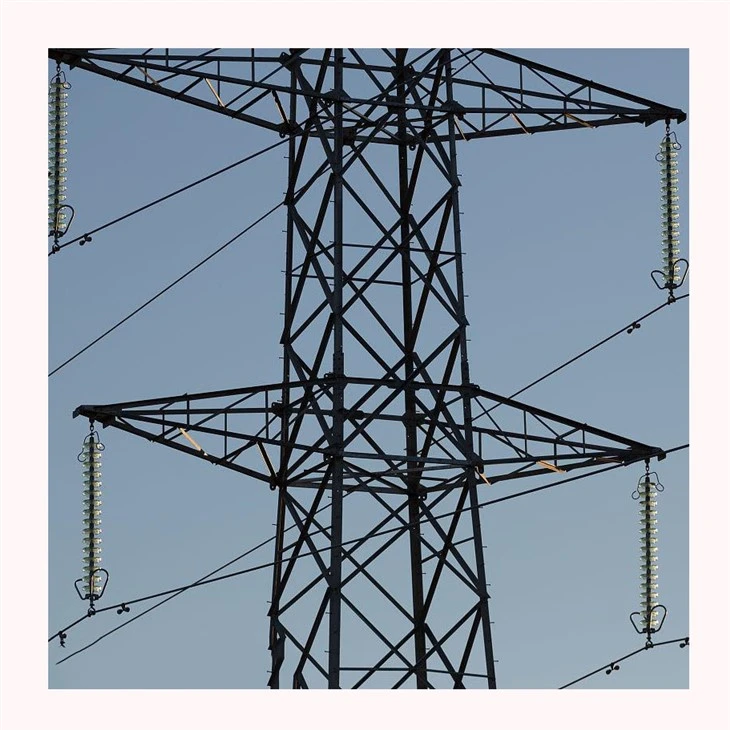

Advancements in materials science may also lead to the development of new types of transmission towers. For example, the use of advanced composites and nanomaterials could result in lighter, stronger, and more cost - effective towers. Additionally, the integration of energy storage systems with the power grid may change the way transmission towers are designed and operated.
As a supplier of transmission towers, we are committed to staying at the forefront of these technological advancements. We work closely with our customers to understand their specific needs and provide them with high - quality, reliable transmission tower solutions. Whether it's a small - scale project for a local utility or a large - scale international transmission line, we have the expertise and experience to deliver the right product.
If you are in the market for Transmission Towers or have any questions about Tower Line Voltage, we invite you to reach out to us. Our team of experts is ready to assist you in your procurement process and discuss how our products can meet your requirements. Contact us today to start a conversation about your next transmission tower project.
References
- "Electric Power Transmission System Engineering: Analysis and Design" by Turan Gonen
- "High - Voltage Engineering" by M. S. Naidu and V. Kamaraju
- Historical records from the Edison Electric Institute and the Institute of Electrical and Electronics Engineers (IEEE)
Send Inquiry