


What are the installation precautions for PV mounts in areas with high lightning activity?
Sep 03, 2025
Leave a message
As a PV mounts supplier, I've witnessed firsthand the growing demand for solar energy solutions, even in regions prone to high lightning activity. Installing PV mounts in such areas requires careful consideration and adherence to specific precautions to ensure the safety, durability, and efficiency of the solar power system. In this blog post, I'll share some essential installation precautions based on my experience in the industry.
Understanding the Lightning Risk
Before installing PV mounts in a high - lightning area, it's crucial to understand the local lightning risk. Lightning frequency, intensity, and the type of lightning strikes (cloud - to - ground, cloud - to - cloud) can vary significantly from one location to another. You can consult local meteorological data or historical lightning records to get an accurate picture of the risk. This information will help you determine the appropriate safety measures for your PV installation.

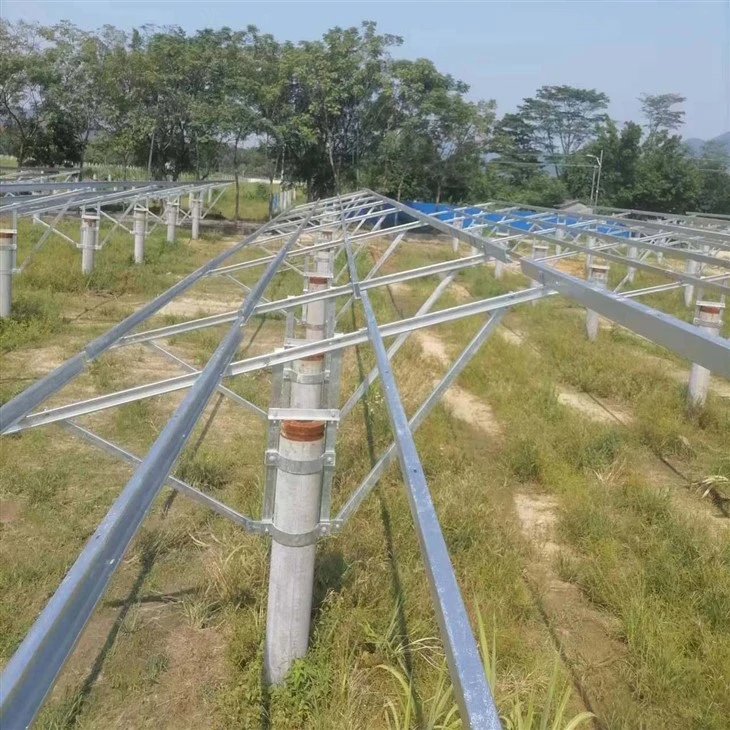
Grounding System
A proper grounding system is the cornerstone of lightning protection for PV mounts. The grounding system serves as a low - resistance path for lightning currents to safely dissipate into the ground, preventing damage to the PV panels, mounts, and associated electrical components.
Grounding Electrodes
Use high - quality grounding electrodes, such as copper - clad steel rods or plates, which have good conductivity and corrosion resistance. The electrodes should be driven deep into the ground, typically at least 2.5 meters, to ensure a reliable connection with the earth. The number and spacing of grounding electrodes depend on the size of the PV installation and the soil resistivity. In general, multiple electrodes connected in parallel can reduce the overall grounding resistance.
Bonding
All metal components of the PV mounts, including frames, rails, and support structures, should be electrically bonded together. This creates a continuous conductive path that allows lightning currents to flow freely and evenly throughout the system. Use bonding jumpers made of copper or other suitable conductive materials to connect the metal parts securely. Make sure the connections are tight and free of corrosion to maintain good electrical conductivity.
Grounding Conductors
Connect the grounded metal components of the PV mounts to the grounding electrodes using grounding conductors. The conductors should have sufficient cross - sectional area to carry the expected lightning currents without overheating. The size of the conductors is determined by the maximum fault current and the length of the conductor run. Follow the relevant electrical codes and standards to select the appropriate conductor size.
Surge Protection Devices (SPDs)
In addition to a proper grounding system, surge protection devices (SPDs) are essential for protecting PV systems from lightning - induced surges. SPDs are designed to divert excessive electrical energy from lightning strikes away from the sensitive electrical components of the PV system, such as inverters, charge controllers, and monitoring equipment.
Location
Install SPDs at the main electrical service entrance of the PV system, as well as at critical points within the system, such as at the input and output of inverters. This provides multiple levels of protection and helps to ensure that any lightning - induced surges are intercepted and diverted before they can cause damage.
Rating
Select SPDs with appropriate voltage and current ratings based on the electrical characteristics of the PV system. The SPDs should be able to handle the maximum expected surge voltage and current without being damaged. Consult the manufacturer's specifications and guidelines to choose the right SPDs for your application.
Mounting Design and Layout
The design and layout of the PV mounts can also affect their lightning protection performance. Here are some considerations:
Height and Exposure
Avoid installing PV mounts at the highest points or in exposed locations where they are more likely to be struck by lightning. If possible, place the PV arrays in areas that are shielded by natural or man - made structures, such as buildings or trees. However, make sure that the shading does not significantly reduce the solar energy production of the PV panels.
Spacing
Maintain adequate spacing between PV panels and other conductive objects, such as power lines or metal fences. This reduces the risk of lightning - induced arcing between the PV panels and the nearby objects. The spacing requirements depend on the local lightning environment and the electrical characteristics of the PV system.
Structural Integrity
Ensure that the PV mounts are structurally sound and can withstand the mechanical forces associated with lightning strikes. Lightning strikes can generate high - intensity shockwaves and electromagnetic forces that may cause damage to the mounts if they are not properly designed and installed. Use high - strength materials and proper fastening methods to secure the PV mounts to the supporting structure.
Installation and Maintenance
Proper installation and regular maintenance are essential for ensuring the long - term effectiveness of the lightning protection measures for PV mounts.
Installation
During the installation process, follow the manufacturer's instructions and the relevant electrical codes and standards. Make sure that all grounding connections are properly made, and the SPDs are installed correctly. Conduct a thorough electrical inspection after the installation to verify the integrity of the grounding system and the functionality of the SPDs.
Maintenance
Regularly inspect the PV mounts and the associated lightning protection components for signs of damage, corrosion, or loose connections. Check the grounding electrodes for any signs of movement or deterioration, and test the grounding resistance periodically to ensure it remains within the acceptable range. Replace any damaged or worn - out components promptly to maintain the effectiveness of the lightning protection system.
Importance of Professional Installation
Installing PV mounts in areas with high lightning activity is a complex task that requires specialized knowledge and skills. It is highly recommended to hire a professional PV installation contractor who has experience in dealing with lightning protection. A professional contractor can ensure that the PV mounts are installed correctly, following all the necessary safety precautions and electrical codes. They can also provide valuable advice on the best lightning protection solutions for your specific location and PV system.
Conclusion
Installing PV mounts in areas with high lightning activity requires careful planning and implementation of appropriate lightning protection measures. By understanding the lightning risk, implementing a proper grounding system, using surge protection devices, considering the mounting design and layout, and ensuring proper installation and maintenance, you can significantly reduce the risk of lightning - related damage to your PV system.
If you are looking for high - quality Mount for Solar Panel or Solar Bracket for your PV project, or need a Aquaculture - Photovoltaics Hybrid System, I'm here to help. Our company offers a wide range of PV mount products that are designed to meet the highest standards of quality and safety. Contact us to discuss your requirements and start your solar energy project with confidence.
References
- National Electrical Code (NEC), NFPA 70
- IEEE Std 142 - 2007, IEEE Recommended Practice for Grounding of Industrial and Commercial Power Systems
- UL 1449, Standard for Surge Protective Devices
Send Inquiry