


What are the different shapes of transmission line towers?
May 14, 2026
Leave a message
Hey there, folks! As a supplier of transmission line towers, I've seen all sorts of these structures up close. Today, I'm gonna take you through the different shapes of transmission line towers. It's gonna be an interesting ride, so buckle up!
Lattice Towers
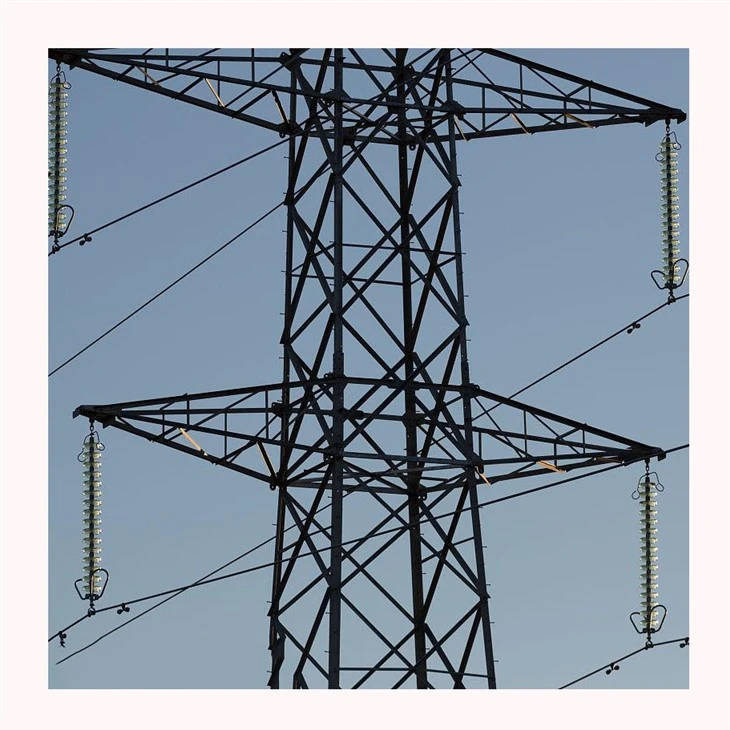
Let's start with one of the most common types - lattice towers. These bad boys are everywhere. They're made up of a framework of steel bars or angles that form a lattice pattern. You know, it looks a bit like a big, three - dimensional grid.
Lattice towers are super strong and can handle a lot of weight. That's why they're often used for high - voltage transmission lines that need to carry a large amount of electricity over long distances. The lattice design distributes the load evenly across the structure, making it stable even in harsh weather conditions like strong winds or heavy snow.
One of the great things about lattice towers is their flexibility. You can customize the shape and size according to the specific requirements of the transmission line project. Whether it's a straight - run line or one that needs to make a turn, lattice towers can be adjusted accordingly. If you want to learn more about these types of towers, check out Transmission Towers.
Pylon Transmission Line Towers
Next up, we have pylon transmission line towers. These towers are a bit different from lattice towers. Pylons are usually taller and more slender. They often have a single or a few large vertical members with cross - arms to support the power lines.
Pylon towers are commonly used in urban areas or places where space is limited. Their sleek design takes up less ground space compared to lattice towers. They're also aesthetically pleasing in a way, which is important when you're building near residential or commercial areas.
The shape of pylon towers allows for efficient use of materials. Since they rely on fewer but larger components, the manufacturing process can be a bit more streamlined. If you're interested in pylon towers for your project, head over to Pylon Transmission Line Tower.
H - Frame Towers
H - frame towers are another interesting shape. As the name suggests, they look like a big letter 'H' when you see them from the side. These towers have two vertical columns connected by a horizontal beam at the top.
H - frame towers are often used in distribution lines rather than high - voltage transmission lines. They're relatively simple in design and easy to install. They're also cost - effective, which makes them a popular choice for smaller power distribution networks.
The design of H - frame towers provides good support for the power lines. The horizontal beam at the top helps to keep the lines in place and prevents them from swaying too much in the wind. This stability is crucial for the safe and reliable operation of the power grid.
Guyed Towers
Guyed towers are a bit unique. They rely on guy wires to provide stability. These wires are attached to the tower at various points and then anchored into the ground. The shape of guyed towers can vary, but they often have a tall, central mast.
Guyed towers are great for situations where you need a tall structure but don't want to use a lot of materials. The guy wires help to reduce the amount of steel needed in the tower itself. They're commonly used for radio and communication towers as well as some low - voltage power transmission lines.
However, guyed towers do have some limitations. The guy wires take up a fair amount of ground space, so they're not always suitable for crowded areas. Also, the wires need to be regularly inspected and maintained to ensure the tower's stability.
Tubular Towers
Tubular towers are made from tubular steel members. They have a smooth and modern look. Tubular towers are often used in areas where aesthetics are a priority, such as in city centers or tourist destinations.
The tubular shape provides good strength and stiffness. It also has a lower wind resistance compared to lattice towers, which can be an advantage in windy areas. Tubular towers can be pre - fabricated in a factory and then easily transported and assembled on - site.
If you're looking for a tower that combines functionality with a modern appearance, tubular towers might be the right choice for you. And if you want to know more about electric - related transmission line towers, check out Electric Transmission Line Tower.
Choosing the Right Shape
So, how do you choose the right shape of transmission line tower for your project? Well, there are a few factors to consider.
First of all, you need to think about the voltage of the transmission line. High - voltage lines usually require stronger and more stable towers, like lattice or pylon towers. Low - voltage distribution lines can often get by with simpler designs like H - frame towers.
The location of the project is also crucial. If you're building in an urban area, you might want to go for a tower that takes up less space and looks good, like a pylon or tubular tower. In rural or open areas, lattice towers might be a more practical choice.

Cost is another important factor. Some tower shapes are more expensive to manufacture and install than others. You need to balance your budget with the performance and requirements of the project.
Why Choose Us?
As a transmission line tower supplier, we've got a lot to offer. We've been in the business for a long time, and we know all the ins and outs of these towers. We can help you choose the right shape and design for your project, taking into account all the factors we've talked about.
Our towers are made from high - quality materials, and we use the latest manufacturing techniques to ensure their strength and durability. We also offer excellent after - sales service, so you can be sure that your towers will be well - maintained and operating smoothly.
If you're interested in purchasing transmission line towers for your project, don't hesitate to get in touch with us. We're here to help you make the best decision and get the job done right.
References
- Electrical Transmission and Distribution Handbook
- Power System Engineering textbooks
So, that's a wrap on the different shapes of transmission line towers. I hope you found this blog informative. If you have any questions or need more information, feel free to reach out. Looking forward to working with you on your next transmission line project!
Send Inquiry