


How are electrical towers integrated with renewable energy sources?
Mar 02, 2026
Leave a message
Hey there! As a supplier of electrical towers, I've been diving deep into how these structures are becoming crucial players in the world of renewable energy. In this blog, I'll break down the nitty - gritty of how electrical towers integrate with renewable energy sources, and why it's a game - changer for our power systems.
First off, let's talk about what renewable energy is. It's energy that comes from natural resources that are constantly replenished, like sunlight, wind, water, and geothermal heat. Unlike fossil fuels, which are finite and dirty, renewable energy is clean and sustainable. But here's the catch: most of these renewable energy sources are generated in remote areas, far away from where the power is actually needed. That's where electrical towers come in.
Wind Energy and Electrical Towers
Wind farms are popping up all over the place, especially in flat, windy regions. These farms consist of multiple wind turbines that convert wind energy into electricity. But once the electricity is generated, it needs to be transported to the grid. That's the job of electrical towers.
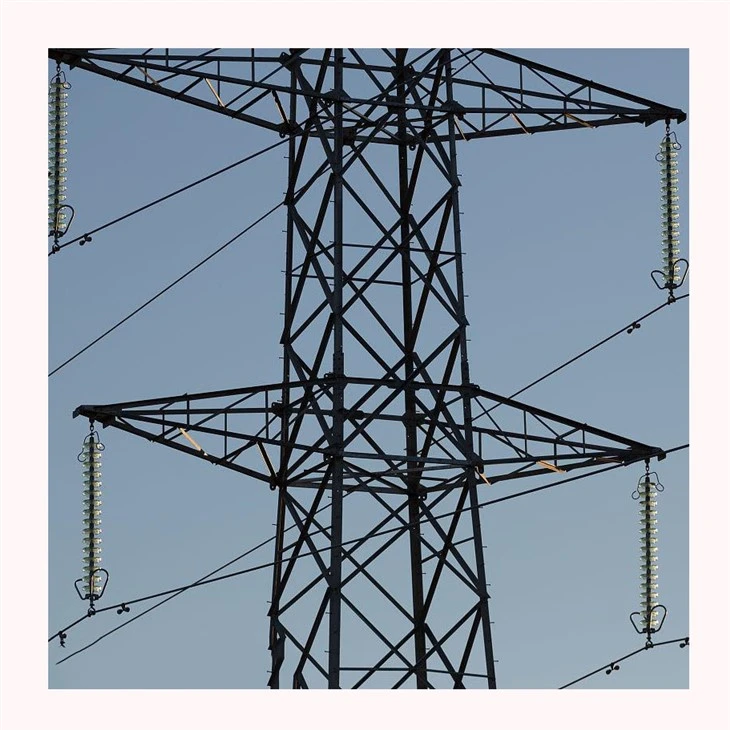
The electricity produced by wind turbines is typically at a relatively low voltage. Before it can be transmitted over long distances, it needs to be stepped up to a higher voltage using transformers. After that, the high - voltage electricity is sent through transmission lines supported by electrical towers. These Transmission Line Towers are designed to carry large amounts of electricity safely and efficiently over long distances.
The towers themselves are built to withstand harsh weather conditions, including strong winds, heavy snow, and lightning. They are made from materials like steel, which is strong and durable. The design of the towers also takes into account the weight of the transmission lines and any ice or snow that might accumulate on them.
Solar Energy and Electrical Towers
Solar power is another rapidly growing renewable energy source. Solar panels convert sunlight into electricity, either through photovoltaic (PV) cells or concentrated solar power (CSP) systems. Similar to wind energy, solar power plants are often located in areas with high solar irradiance, which are usually remote.
Once the electricity is generated, it needs to be integrated into the grid. Electrical towers play a vital role in this process. The electricity from solar panels is first collected and then sent to a substation, where it is transformed to a higher voltage. From the substation, the high - voltage electricity is transmitted through Power Transmission Towers to the main grid.
One of the challenges with solar energy is that it is intermittent. The amount of electricity generated depends on the amount of sunlight available, which varies throughout the day and is affected by weather conditions. Electrical towers help in balancing the power supply by allowing the excess electricity generated during sunny periods to be transported to areas where it is needed.
Hydroelectric Energy and Electrical Towers
Hydroelectric power is one of the oldest and most reliable forms of renewable energy. It is generated by harnessing the energy of flowing water, usually in dams or run - of - river plants. The electricity generated by hydroelectric plants is typically at a high voltage and can be directly transmitted through Transmission Towers.
Hydroelectric plants are often located near large bodies of water, which may be far from urban centers. Electrical towers are used to transport the electricity from these plants to the grid. The towers need to be carefully designed to handle the high - voltage transmission lines and the specific environmental conditions around the hydroelectric plant.
Geothermal Energy and Electrical Towers
Geothermal energy is derived from the heat within the Earth. It can be used to generate electricity by using steam to drive turbines. Geothermal power plants are usually located in areas with high geothermal activity, such as near volcanoes or hot springs.
Once the electricity is generated, it needs to be transmitted to the grid. Electrical towers are used to carry the high - voltage electricity from the geothermal power plant to the main grid. The integration of geothermal energy with the grid is similar to other renewable energy sources, but the location of geothermal plants may present unique challenges, such as difficult terrain.
The Importance of Integration
Integrating electrical towers with renewable energy sources is crucial for several reasons. First, it allows us to tap into the vast potential of renewable energy. By transporting the electricity from remote areas to where it is needed, we can make better use of these clean energy sources.
Second, it helps in reducing our dependence on fossil fuels. As more renewable energy is integrated into the grid, the share of fossil - fuel - based electricity generation decreases, leading to a cleaner and more sustainable energy future.
Third, it improves the reliability of the power grid. Renewable energy sources are often distributed, which means that power can be generated from multiple locations. This reduces the risk of power outages caused by a single point of failure.

Challenges and Solutions
Of course, integrating electrical towers with renewable energy sources is not without its challenges. One of the main challenges is the cost of building and maintaining the transmission infrastructure. Building new electrical towers and transmission lines can be expensive, especially in remote areas.
Another challenge is the environmental impact. The construction of electrical towers can have an impact on wildlife habitats and landscapes. To address these challenges, we need to use advanced technologies and design methods. For example, we can use lighter and stronger materials for the towers to reduce the environmental impact and the cost of construction.
We also need to work closely with local communities and environmental groups to ensure that the construction and operation of electrical towers are carried out in an environmentally friendly and socially responsible manner.
Conclusion
In conclusion, electrical towers play a crucial role in integrating renewable energy sources with the power grid. They are the backbone of the transmission infrastructure that allows us to transport clean, sustainable electricity from remote areas to where it is needed.
As a supplier of electrical towers, I'm excited about the future of renewable energy. I believe that by continuing to innovate and invest in the transmission infrastructure, we can make renewable energy a more significant part of our energy mix.
If you're interested in purchasing electrical towers for your renewable energy projects, I'd love to have a chat with you. Whether you're building a wind farm, a solar power plant, or any other renewable energy project, we have the expertise and the products to meet your needs. Let's work together to create a cleaner, more sustainable future.
References
- DOE. (Department of Energy). "Renewable Energy Transmission".
- IEA. (International Energy Agency). "Renewable Energy Market Report".
- IEEE. (Institute of Electrical and Electronics Engineers). "Power Transmission and Distribution Standards".
Send Inquiry